I was recently listening to an episode of Unbossing, hosted by the forever curious Rishad Tobaccowala and Drew Ianni, featuring Ann Mukherjee, former global CMO of SC Johnson and former Chairman and CEO of Pernod Ricard North America.
The discussion covered leadership, reinvention and AI. But two statements about brand revitalisation stayed with me. For Doritos: Break the rules. For SC Johnson: Get women off their knees.
A handful of words with more strategic direction than many 100-page brand documents.
In marketing, complexity is a hiding place.
There is a lot that gets in the way when brands try to revitalise themselves. Research. Personas. Architecture. Purpose. Values. Customer journeys. Workshops. More workshops.
Each can add value. But they can also help organisations avoid the hardest question:
What is the clearest truth this brand can credibly and commercially own?
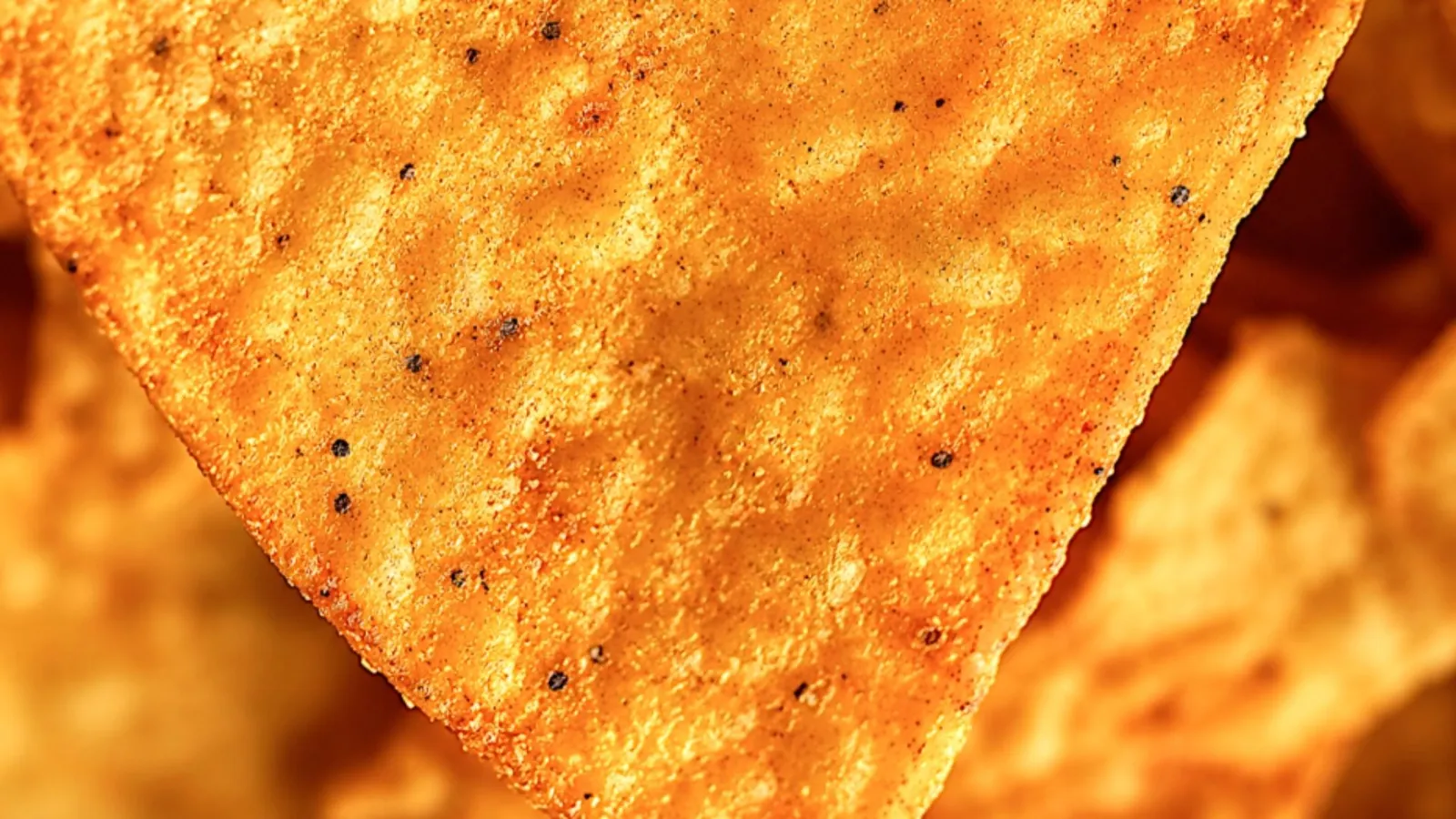
When Mukherjee joined Doritos in 2006, the brand was in serious decline. Some of Frito-Lay’s own drivers did not want to stock it. The answer was not to invent a completely new personality. It was to rediscover what had always been true about Doritos: It breaks the rules.
The challenge was to make its truth relevant again. That led to Crash the Super Bowl, which invited consumers to create the ads themselves. This became the expression of strategy and a way to compete with much larger advertising budgets. Mukherjee understood something that his competitors didn’t:
A truth must also be new.
Our brains are highly responsive to change and novelty. Familiar information is ignored. We recognise it but we stop actively processing it. Research into habituation and novelty shows far stronger cognitive responses to new stimuli than familiar ones. (PubMed Central)
This explains why so many positioning statements fail to move a market. They repeat things people have already heard: quality, innovation, service, trust, partnership…
All potentially true. But hardly new.
At DPR&Co, we call our strategic process The New Truth ™.
If your brand owns a longstanding truth, you never discard it. You express it in an entirely new way that responds to the world of today. (We don’t pursue novelty for its own sake.)
This makes for a fresh and credible perspective that makes people stop, reconsider and see the brand differently. It’s why the Doritos Super Bowl play worked.
AI makes the combination of truth and newness and more valuable.
AI can generate hundreds of positionings on repeat, but volume is not clarity.
As Mukherjee observed, AI, user-generated content and other technologies require differentiated human thinking at the beginning. Otherwise the result is likely to be a commodity. (iHeart)
AI can’t yet create a truth that is new and compelling enough to attract an audience today. This is a caution as we rely on AI to make execution faster and easier. We are already seeing brands producing more familiar, interchangeable content based on AI ‘insights’.
The hardest move is simplicity.
Brand revitalisation does not need more; it needs less. Less inherited language, less category convention and less desire to say everything to everyone.
You can’t manufacture meaning. The best brand strategies take a fundamental truth, make it new and then creatively express it to make it impossible to ignore.
Why The New Truth? Because you can’t bore anyone into buying anything.